

How I Got Started
I grew up in Bat Yam to a traditional (masorati) family and studied in a national-religious school while on Shabbat we would ride the train. One time we arrived at my grandmother’s house and I was in fourth grade and my uncle asked me if I thought it was strange that I wore a kippa but rode the train on Shabbat. From that point I began a journey which eventually brought me to be religiously observant.
The Path Back
Over time I would become religiously observant. My madrich at Bnei Akiva convinced me to go to a religious high school. Later on I was accepted into the pilot’s cadets course and I had to decide to pursue that route or go to a hesder yeshiva. I chose to go to the hesder yeshiva in Karnei Shomron. I served in the paratroopers and returned to yeshiva after my army service. I have been blessed to publish three sifrei Kodesh, the last of which was released during this war where I have served over 200 days and which was edited at the very same time I was participating in ambushes on the Lebanese border.
A Rabbi or an Engineer?
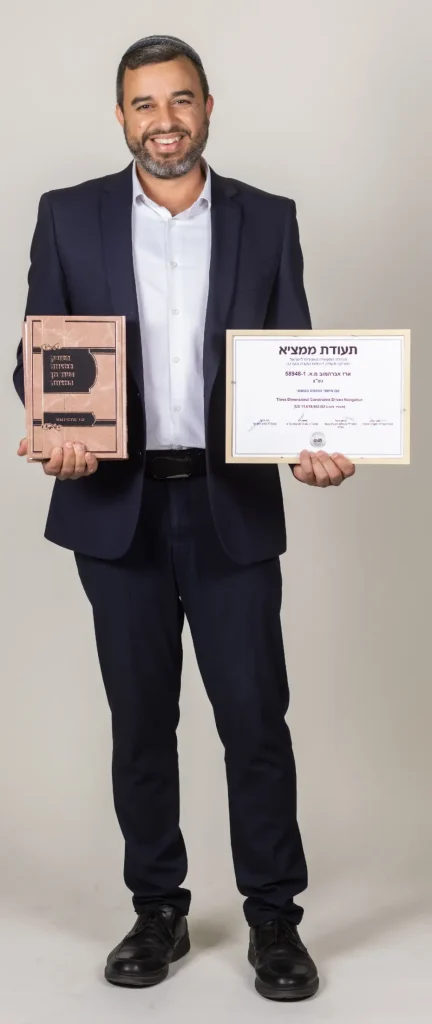
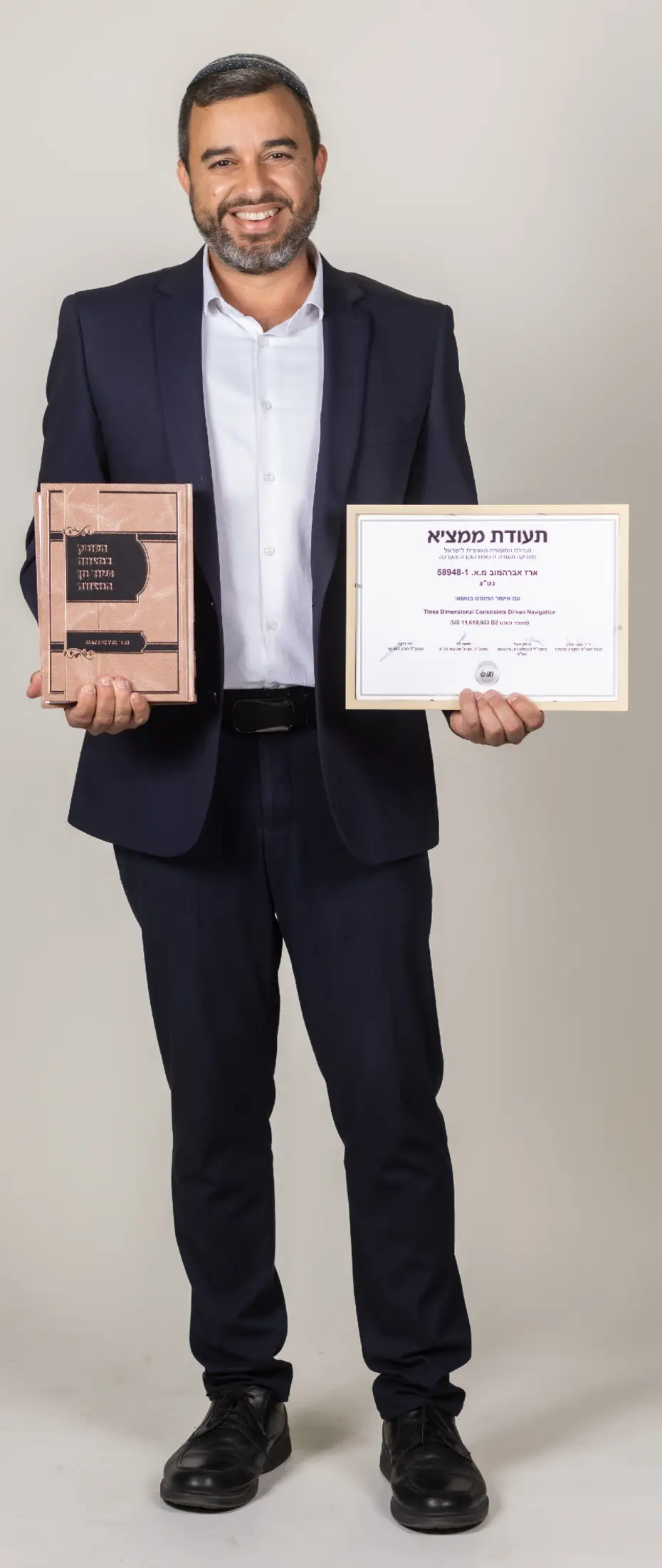
After the army I got married with Yael and Baruch Hashem we have seven children and I continued to study in yeshiva for the rabbinate. At age 29, in my 11th year in yeshiva, I approached the head of the yeshiva and asked him what he thought about me becoming a rabbi in the yeshiva. He replied that there was no need for additional rabbis but asked ‘How are you with numbers?’ I told him I was good at math, physics and computers and responded, ‘Maybe go become an engineer and you can be both a rabbi and engineer. I studied electrical engineering for the next four years at Bar Ilan and was recruited by the IAI where I work in algorithm development to “make things fly” and even secured a patent in my field.
The Wedding That Changed it All
About ten years ago a relative got married. The rabbi who performed the wedding seemed to be more interested in ‘performing’ than focusing on the halachot. From my seat I could see that he didn’t explain to the witnesses what was their function, to the extent that one of them didn’t even look at the ring, but stood there waving to the crowd. After the chuppah I went up to the rabbi and asked that we redo that part of the service and this time the witness made sure to focus. I realized it’s important that we have rabbis who were passionate about halacha, even while they also felt connected to the couple and the people at the wedding. That was how I came to become involved as a rabbi with Tzohar and performing weddings.
A Connection With the Couple
At Tzohar, we make an effort to partner between the couple with a rabbi who shares their interests and they have a common language. As a result, I often am introduced to couples from the field of hi-tech. Before the wedding, I make sure to learn where they come from and understand what’s important to them at the chuppah. On the day itself, it’s important that their personal stories and perspectives are reflected – all while confirming with halacha. It’s very important to me that the couples leave with a smile and good feeling. One of the memories that stand out was a couple that had scheduled the day for their wedding and then Corona broke out and they had to reschedule. They of course had been looking forward to the day and were very disappointed. At Tzohar we had been trained specifically on how to address these cases and to turn that sadness into optimism and I think that training was very helpful for this couple. While serving in miluim and in between the rounds of service, I have made sure to be available to perform weddings. Couples are often very emotional and worried ahead of a wedding, so its all the more meaningful to give them an experience they will treasure and always remember. I see it as a true Kiddush Hashem and for me it’s worth everything.
Relics Found on the Way
I try as best as possible to occupy my free time with meaning. I have a podcast called “Two Minutes to Shabbat” and I manage a WhatsApp group where I send out daily lessons on the halachot of Shabbat that already has over 200 installments most of which were recorded while in miluim and one even while I was on the other side of the border. I do wood work, am a long-distance runner and hike the Israel Trail with my son. On one of my hikes I even found an ancient amulet from the first Temple period. I sent it in to the Antiquities Authority and it’s going to be featured in a museum exhibit.